




Gut health starts with prevention

Gut health is essential for the overall well-being of the body, but many serious diseases can go on for a long time without obvious symptoms. One of the easiest and most effective ways to spot potential problems early is to detect hidden blood in the stool. This test can detect microscopic blood that is not visible to the naked eye, but can be an early sign of various digestive tract diseases.

What can hidden blood indicate? The presence of hidden blood in the stool is not a diagnosis, but an important warning sign. It can be associated with various health problems, including: colorectal cancer, intestinal polyps, ulcerative colitis, Crohn\’s disease, stomach ulcers.

It is important to know that intestinal polyps are initially benign, but over time they can develop into malignant tumors. Many intestinal diseases do not cause complaints in the early stages, which means that a person may feel completely healthy while the disease is already progressing.

Regular occult blood testing allows you to identify problems before symptoms appear, start treatment on time, significantly improve treatment results, as well as reduce the risk of complications and hospitalization.

An additional risk factor for prolonged blood loss is anemia, which manifests itself as fatigue, dizziness and reduced work capacity.

As for Crohn\’s disease and ulcerative colitis, these diseases can cause severe intestinal damage, requiring long-term treatment or even surgical intervention.

A modern solution is a home self-test, which means that you no longer need to wait for symptoms or immediately go to the laboratory to check your intestinal health. The rapid occult blood self-test is a convenient, discreet and easy-to-use solution that can be performed at home.

Advantages of self-testing:

  • quick results in a few minutes
  • easy to use without medical skills
  • privacy and comfort
  • the ability to regularly monitor your health

Regular testing is especially recommended for people over 50 years of age, as well as those with a family history of colorectal cancer.

Consider a fecal occult blood test if:

  • changes in bowel movements
  • persistent fatigue or diagnosed anemia
  • abdominal discomfort for no apparent reason
  • you want to undergo a preventive health check-up

Taking care of your bowel health begins with conscious action – regular check-ups and timely diagnosis. By choosing a reliable self-test, you are taking an important step in monitoring your health and long-term well-being.

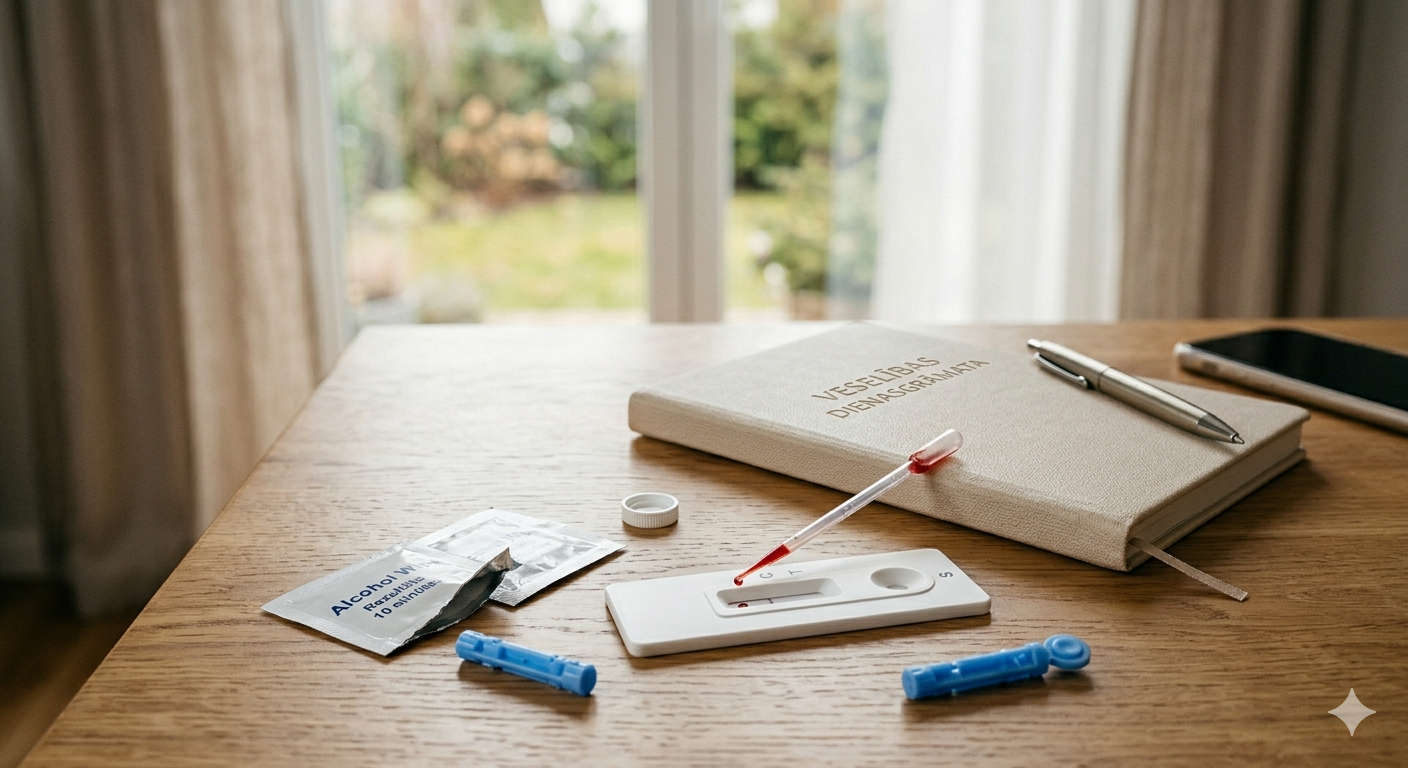
Why is it important to monitor blood sugar levels in cats – especially in the case of chronic diseases?

in the case of chronic diseases?

Cats are masters at hiding their health problems. They can appear calm and independent even when serious changes are taking place in their bodies. That is why regular health monitoring is so important — and one of the most important indicators is blood sugar levels.

Glucose is the main source of energy for the body. It ensures normal organ function, movement and even the cat’s ability to play, if the glucose level becomes too high or too low, it can cause serious health problems.

Particular attention should be paid to glucose levels in cats with chronic diseases, such as:

  • diabetes
  • kidney disease
  • hormonal disorders

In such cases, fluctuations in glucose levels can be more frequent and dangerous, so regular monitoring helps to notice changes in time. Elevated glucose levels can cause increased thirst, increased urination, weight loss, despite a good appetite. On the other hand, levels that are too low can cause weakness, apathy or even life-threatening conditions. Nowadays, glucose levels can be measured not only in a veterinary clinic, but also at home with special meters. This is especially useful for chronically ill cats, as it allows:

  • to monitor the effectiveness of treatment
  • to adjust medication doses in a timely manner
  • to avoid acute health crises

Currently, glucose measurements in cats are easier than ever, simply by pouring a reagent into the litter.

Although home measurements are very useful, they do not replace regular visits to the veterinarian. A specialist will help interpret the results and develop the most appropriate care plan.

Glucose level control is not just about writing down numbers – it is about caring for your cat\’s quality of life. Especially in the case of chronic diseases, this simple action can be crucial to ensuring a longer, healthier and happier life for your pet.

How to check your thyroid quickly and easily? The answer is simple – a TSH test at home.

TSH test at home.

A TSH test at home is becoming an increasingly popular way to detect thyroid disorders in time. Given that thyroid diseases often develop unnoticed, regular monitoring is essential for anyone who cares about their health.

We have compiled data so that each of us can better understand what TSH is, why it is important to check it, and how a quick thyroid self-test can help you monitor your health at home.

What is TSH and how does it affect the thyroid gland?

TSH (thyroid-stimulating hormone) regulates the function of the thyroid gland and affects the level of hormones in the body. It determines how actively the thyroid gland produces hormones that are responsible for metabolism, energy levels, body temperature, and heart function.

Thyroid disorders are more common than many people think. The most current statistics show that up to 1 in 8 people will experience thyroid problems during their lifetime, and women are 5-8 times more likely to experience thyroid problems than men. Hypothyroidism affects approximately 3-5% of the population in Europe, which is a high enough indicator to start paying increased attention and concern. Many people live with unknown hormonal disorders.

Thyroid disorders often manifest themselves with non-specific symptoms, such as:

1. Hypothyroidism (fatigue, weight gain, feeling cold, difficulty concentrating)

2. Hyperthyroidism (palpitations, weight loss, anxiety, increased sweating)

TSH self-test is a practical solution for daily health monitoring, it allows you to quickly check your TSH level at home, notice abnormalities in time, monitor your health without visiting a doctor, and decide on additional tests.

It is recommended to regularly check the TSH level for women (especially after the age of 40), people with chronic fatigue, if there are weight fluctuations, if there is a family history of thyroid disease and people with increased stress.

The TSH test is one of the most important indicators for assessing thyroid function. Given the high number of undiagnosed cases, regular monitoring is essential.

Menopause or FSH test and next steps to take care of your well-being

You have taken a rapid FSH test, and the result makes you wonder — menopause may be closer than you thought. This can cause various emotions: surprise, uncertainty or even mild anxiety. And this is completely normal.

However, the most important thing to remember at this point — the test is just the beginning, not the final answer.

FSH levels provide valuable insight into hormonal changes, but menopause is a much broader process. At this stage of life, a woman’s body undergoes significant changes that can affect cardiovascular health, bone density, skin elasticity and hair condition, sleep quality and emotional balance or overall well-being.

Menopause is not just hormonal fluctuations — it is a new stage in life in which taking care of yourself becomes even more important. Timely consultation with a doctor can help maintain both your health, well-being and confidence in your body.

Take a rapid FSH test, but don’t be left alone with the result you receive.

A visit to the doctor will not only help confirm the onset of menopause, but also assess your overall health. A specialist can recommend additional tests, develop an individually tailored treatment or therapy, dietary and lifestyle changes, as well as solutions to reduce symptoms, which will mean less guesswork and more clarity.

Take care of yourself today, so you can feel good tomorrow

The FSH test has already helped you take the first step. Now is the time for the next one — make an appointment with your doctor and get a complete picture of your health.

Vitamin D Level Monitoring at Home: Why It’s Important and How to Choose the Most Appropriate Testing Method

the Most Appropriate Testing Method

Vitamin D is one of the most essential micronutrients in the human body, affecting not only bone health, but also the immune system, muscle function, and overall well-being. Despite its importance, vitamin D deficiency is widespread, especially in countries with limited sunlight, including Latvia. Nowadays, vitamin D levels can be determined not only in the laboratory, but also with self-tests at home, which makes health monitoring more accessible and convenient.

The function of vitamin D in the body is multifaceted, it helps the body absorb calcium and phosphorus, thereby ensuring normal bone and tooth development, it participates in the regulation of the immune system, muscle function, and the control of inflammatory processes. We can safely say that insufficient vitamin D levels can affect both physical and emotional health. Vitamin D deficiency often occurs without pronounced symptoms, so it is difficult to notice it without testing, however, in the long term it can be associated with serious health problems, such as osteoporosis and thus an increased risk of bone fractures, weakened immunity and more frequent illnesses.

The most commonly observed signs associated with insufficient vitamin D are fatigue, muscle weakness and reduced energy, but they are often ignored or associated with other factors.

Vitamin D levels can be determined in several ways, and each of them has its own advantages.

1. Laboratory analyses

A blood test performed in a laboratory provides an accurate quantitative result, the advantage of this test is its high accuracy and detailed result, but to perform it, a referral from a family doctor is required, you need to specifically schedule the time when you go to the laboratory.

2. A rapid vitamin D home self-test, which is the simplest and most affordable solution for daily health monitoring.

The advantages of such testing are its ease of use, no referral required, results are received within a few minutes, and such a test has lower costs. However, it should be noted that rapid tests usually provide a qualitative or semi-quantitative result, which is sufficient for screening, but not always for complete diagnosis.

A rapid vitamin D home test is an excellent solution for prevention and regular health monitoring. It allows you to:

  • detect possible vitamin D deficiency early
  • track changes in levels over time
  • make an informed decision about the need for additional tests
  • save time and resources

Monitoring vitamin D levels is essential for long-term health maintenance. Although laboratory tests provide the most accurate information, they are not always the most practical solution for regular monitoring.

Rapid home self-tests offer an affordable, convenient, and effective way to monitor your health and respond to possible changes in a timely manner.

Regular checkups are the best prevention — and it starts with a simple step you can take today.